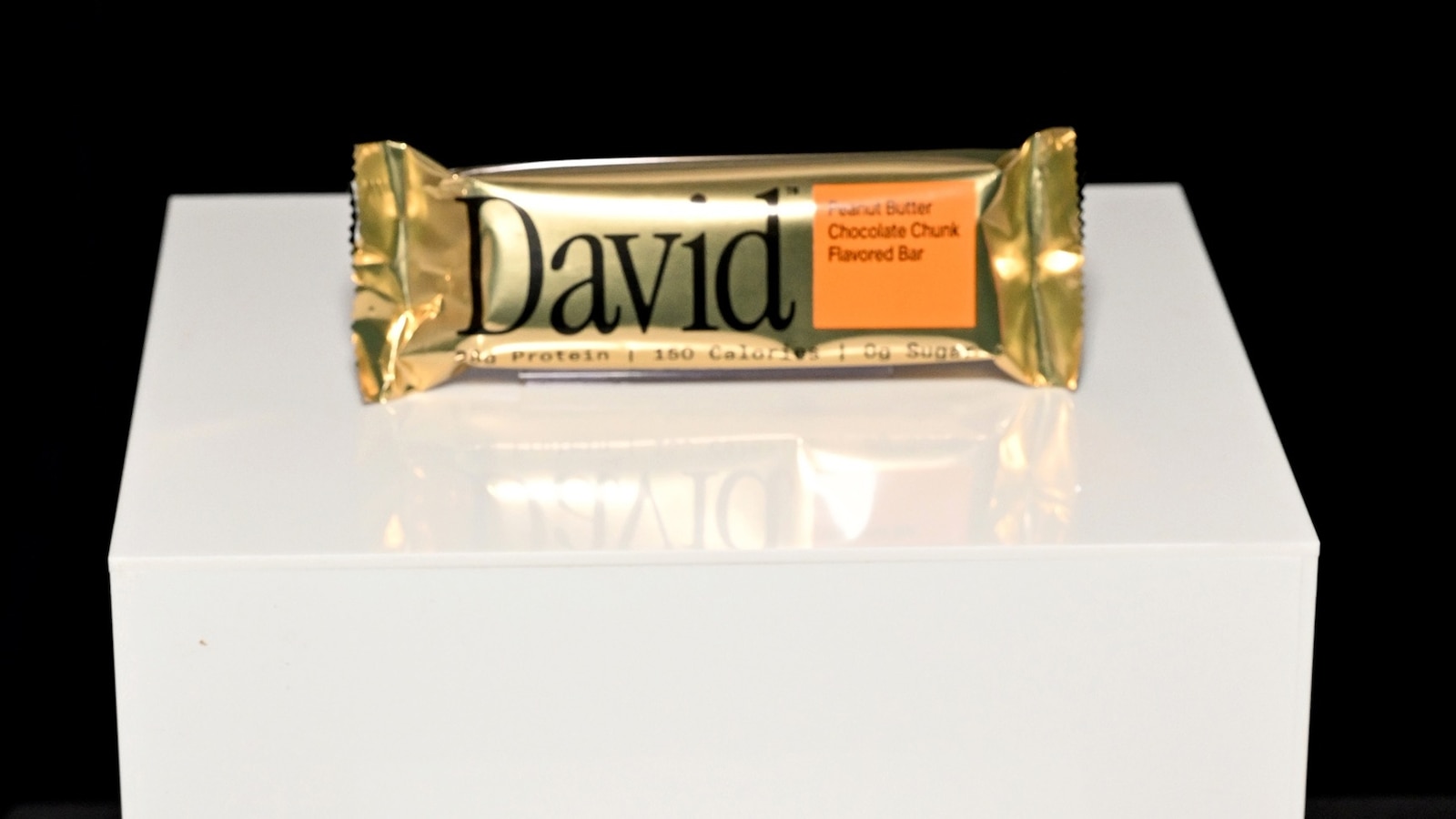
In an era where health-conscious consumers meticulously scrutinize nutrition labels, a recent legal battle has cast a spotlight on the accuracy and methodology behind these crucial figures. The high-profile David Protein lawsuit has ignited a debate over how calories and fat content are measured and represented on food packaging, challenging the very foundation of consumer trust in the booming protein snack market.
At the center of this controversy is David Protein, a popular brand lauded for its gold label protein bars, which are marketed as high in protein, zero sugar, and precisely 150 calories. However, a proposed class-action lawsuit alleges that the brand engaged in "deceptive practices in labeling and marketing," claiming that the actual nutritional content far exceeds what's stated on the package. The lawsuit's findings, based on independent lab tests, suggest discrepancies so significant they could reshape how consumers approach their dietary choices.
At the Core: The David Bar Lawsuit's Allegations
Filed in the Southern District Court of New York against Linus Technologies Inc., the parent company of David Protein, the lawsuit paints a picture of substantial misrepresentation. Plaintiffs allege that the brand's marketing practices are "unlawful and deceptive," contending that David Protein knowingly used appealing but inaccurate numbers to attract health-minded shoppers seeking specific macronutrient profiles.
The core of the legal challenge rests on compelling laboratory evidence. The lawsuit includes test results from an "accredited laboratory recognized by the FDA" which analyzed various flavors of David Protein bars. These independent findings starkly contrast with the product labels:
- Calorie Count: While labels claim 150 calories per serving, the lab tests found bars contained between 268 and 275 calories. This represents an alarming increase of up to 83% more calories than advertised.
- Fat Content: The discrepancies in fat content were even more pronounced. The tests revealed 11 to 13.5 grams of fat per serving, compared to the label's much lower figures. This translates to an increase of up to 400% more fat than indicated on the packaging.
Such significant differences, if proven, would not only violate FDA regulations but also fundamentally mislead consumers who rely on these labels for managing their diets, whether for weight loss, muscle gain, or specific health conditions. The plaintiffs in the David Protein Bar Lawsuit are requesting a jury trial and seeking payment for damages from David Protein, underscoring the seriousness of these claims.
CEO Peter Rahal's Defense: A Question of Calorie Calculation
In response to the mounting legal pressure and public scrutiny, Peter Rahal, CEO and founder of David Protein, issued a letter to customers and partners, vehemently defending his product. Rahal contends that the lawsuit's allegations are "simply wrong" and stem from a "flawed and misleading interpretation of how calories are determined for certain ingredients under U.S. food labeling regulations."
Rahal's defense hinges on the complex science of calorie measurement. He explained that the laboratory testing cited in the lawsuit "relys on bomb calorimetry." This method measures the total heat released when food is completely burned and then applies the standard 4-4-9 caloric values for carbohydrates, protein, and fat, respectively. While bomb calorimetry is a recognized method for many foods, Rahal argues it's not universally appropriate.
According to Rahal, the industry widely believes that bomb calorimetry is not the correct method for determining calories in foods containing specific ingredients, such as dietary fiber, certain sweeteners, and, critically for David Protein, esterified propoxylated glycerol (EPG). EPG is a fat substitute designed to reduce caloric content. Rahal stated that the FDA permits the use of "six different calorie calculation methods" and allows for "specific caloric values for approved ingredients." He implies that David Protein utilizes a calculation method compliant with FDA guidelines for its specific formulation, which includes ingredients like EPG that don't yield the same caloric value when subjected to standard bomb calorimetry.
A notable omission in Rahal's defense, however, is his silence on the fat claims made in the lawsuit. While he addressed the calorie measurement debate, the substantial allegations regarding mislabeled fat content remain unaddressed, leaving a significant question mark for consumers and legal observers alike.
Decoding Nutrition Labels: What the David Bar Lawsuit Means for Consumers
The ongoing David Bar Lawsuit highlights the intricate challenges associated with nutrition labeling and the crucial role these labels play in consumer decision-making. For the growing segment of health-minded consumers, protein bars are often chosen specifically for their stated nutritional benefits – high protein, low sugar, controlled calories, and minimal fat. When these claims are disputed, it erodes trust and makes informed choices exceedingly difficult.
This situation underscores the importance of a nuanced understanding of nutrition labels beyond just the headline numbers. Here are some practical tips for consumers navigating the complex world of packaged foods:
- Read Beyond the Front Package: While front-of-package claims like "150 Calories" are designed to attract, always flip the product over and scrutinize the full nutrition facts panel and ingredient list.
- Understand Ingredient Lists: Pay attention to unfamiliar ingredients. Research what they are and why they are used (e.g., fat substitutes like EPG, or various types of fiber and sweeteners). Their presence can significantly impact how calories are calculated.
- Be Skeptical of "Too Good to Be True": If a product seems to offer an exceptionally low calorie or fat count for its size and composition, it might warrant a closer look or comparison with similar products.
- Consider Serving Sizes: Always note the serving size and how many servings are in the package. Many "low calorie" claims apply to a small portion, not the entire item you might consume.
- Seek Diverse Information Sources: Don't rely solely on manufacturer claims. Consult reputable third-party reviews, nutritionists, or consumer advocacy groups for balanced perspectives on product accuracy.
- Educate Yourself on Calorie Calculation: While complex, understanding that different methods exist and are FDA-approved for specific ingredients can help you interpret labels more critically. This lawsuit brings to light that "a calorie is not always a calorie" in terms of how it's scientifically derived for labeling purposes.
Ultimately, the burden often falls on the consumer to be an informed and critical reader of nutrition labels. The David Protein lawsuit serves as a potent reminder of this responsibility.
The Road Ahead: Legal Battle and Industry Implications
The David Bar Lawsuit is far from over. As a proposed class-action suit, its outcome could have significant repercussions not just for David Protein, but for the wider food industry. Should the plaintiffs succeed, it could set a precedent for increased scrutiny of calorie and fat labeling, particularly for products that utilize novel ingredients or complex formulations to achieve specific nutritional profiles.
This case may also prompt regulatory bodies, such as the FDA, to further clarify or re-evaluate guidelines regarding calorie calculation methods for approved ingredients. Such a move could lead to greater transparency and standardization, benefiting both manufacturers and consumers. For companies, it might necessitate a re-evaluation of their labeling practices and testing methodologies to ensure absolute compliance and avoid similar legal challenges. For consumers, it could mean more accurate and trustworthy information on which to base their dietary choices.
Conclusion
The David Protein lawsuit encapsulates a critical debate at the intersection of food science, consumer trust, and regulatory compliance. While CEO Peter Rahal staunchly defends his product by pointing to alternative, FDA-approved calorie calculation methods for specific ingredients, the lawsuit's stark claims of up to 83% more calories and 400% more fat highlight a significant perceived disconnect between label and reality. As the legal proceedings unfold, the outcome of this David Protein lawsuit will undoubtedly impact how nutritional information is presented, interpreted, and trusted, shaping the future of healthy eating and consumer advocacy in the evolving food landscape.