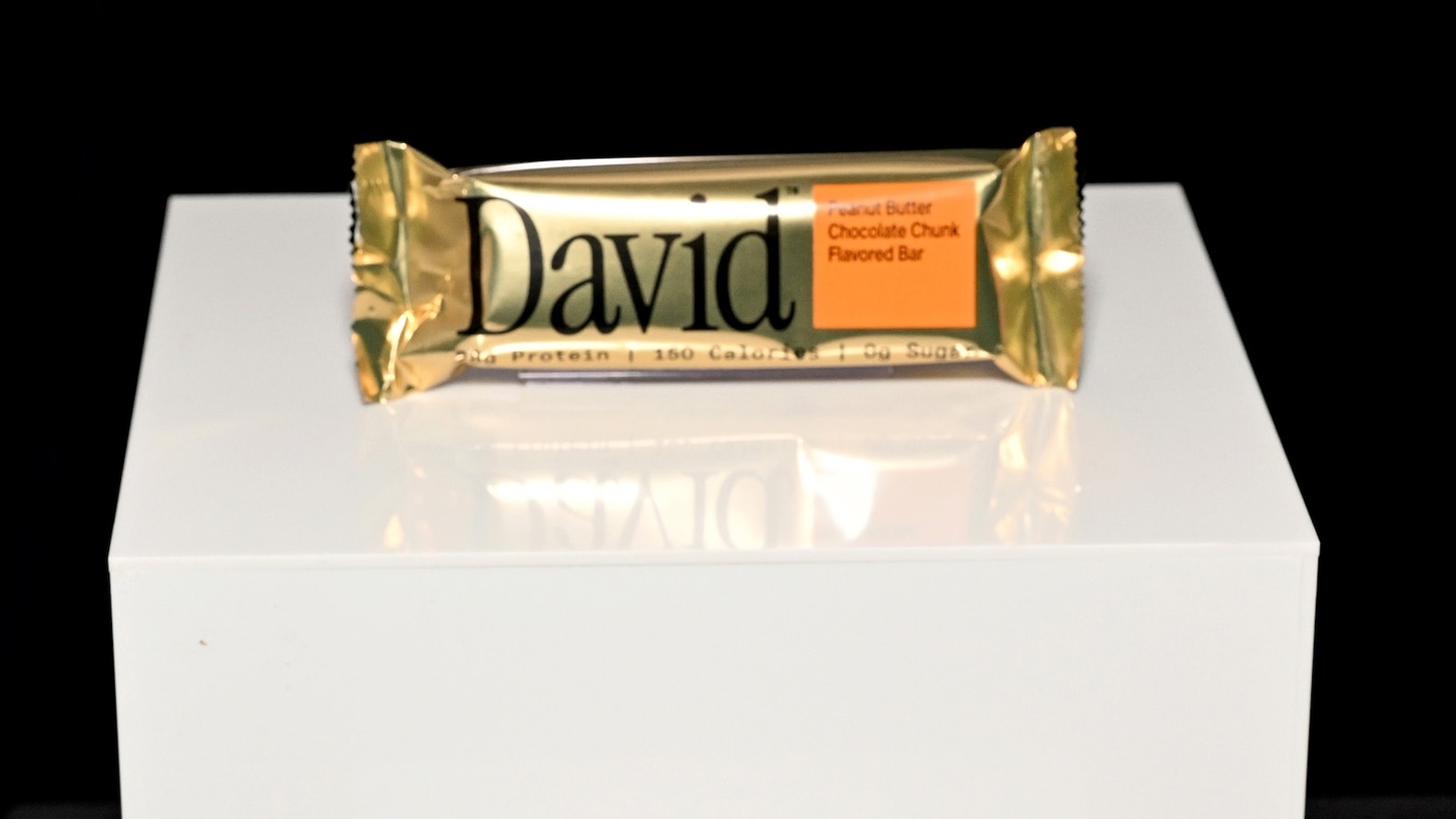
In an increasingly health-conscious world, consumers are turning to protein bars as a convenient and nutritious snack option. With promises of high protein, low sugar, and specific calorie counts, these bars often become a staple for those managing their diet or seeking a quick energy boost. However, a recent class-action lawsuit against David Protein, a popular brand known for its gold-label protein bars, has cast a shadow of doubt over the accuracy of nutrition labeling in the industry. The David Bar Lawsuit alleges that the brand misled customers about the calorie and fat content of its products, raising critical questions about transparency and consumer trust.
The lawsuit underscores a growing concern among health-minded shoppers: can we truly rely on the nutritional information printed on our favorite snacks? As the legal battle unfolds, it highlights the complexities of food science, regulatory standards, and the marketing strategies that shape our purchasing decisions.
The Core Allegations: What the Lawsuit Claims
Filed on January 23, the class-action lawsuit against David Protein (specifically Linus Technologies Inc., the company behind the brand) centers on claims of "deceptive practices in labeling and marketing the calories and fat content" of their protein bars. The plaintiffs assert that David Protein knowingly used nutrition figures that would appeal to health-focused consumers, particularly those seeking high protein with minimal calories and fat, thereby driving sales through misleading information.
A significant piece of evidence presented in the complaint comes from independent laboratory testing. The lawsuit includes results from an "accredited laboratory recognized by the FDA," which allegedly found substantial discrepancies between the stated nutritional values and the actual content of the bars. According to these test results, various flavors of David Protein bars contained between 268 and 275 calories per serving, and between 11 and 13.5 grams of fat per serving. These figures contrast sharply with the brand's label, which typically advertises 150 calories and specific fat content.
Based on these findings, the lawsuit claims the calorie count of David Protein bars is up to 83% more than what is listed on the label, and the fat content could be up to a staggering 400% higher. Such significant alleged deviations, if proven, could have considerable implications for individuals meticulously tracking their intake for health, fitness, or weight management purposes. The plaintiffs in the lawsuit are requesting a jury trial and seeking payment for damages from David Protein, alleging the company violated FDA regulations through its marketing practices.
David Protein's Defense: A Question of Measurement Methods
In response to the serious allegations, Peter Rahal, CEO and founder of David Protein, has publicly defended his company and its products. In a letter to customers and partners, Rahal strongly stated that the lawsuit's claims that David Protein bars contain more calories and fat than labeled are "simply wrong." He argues that the confusion stems from a "flawed and misleading interpretation of how calories are determined for certain ingredients under U.S. food labeling regulations."
Rahal elaborated that the laboratory testing referenced in the lawsuit relies on "bomb calorimetry." While acknowledging that bomb calorimetry is a recognized method for many foods, Rahal explained that it measures the total heat released when food is completely burned and applies standard caloric values (4-4-9 for carbohydrates, protein, and fat, respectively). He contends that this method is not appropriate for foods containing specific ingredients like dietary fiber, certain sweeteners, and, critically for David Protein, fat substitutes such as esterified propoxylated glycerol (EPG). The presence of such ingredients, he argues, requires different calculation methods. For a deeper dive into the CEO's perspective on this measurement debate, read more about the David Protein Lawsuit: CEO Defends Calorie Measurement Debate.
The CEO pointed out that the FDA permits the use of "six different calorie calculation methods" and allows for "specific caloric values for approved ingredients." This suggests that David Protein believes it has adhered to the permissible regulatory framework in calculating its nutritional labels, despite the different results from the plaintiffs' chosen testing method. Notably, while Rahal addressed the calorie claims, his public statement did not directly address the allegations regarding the fat content discrepancies.
Why This Matters to Consumers: The Impact of Nutrition Labeling
The David Bar Lawsuit brings to the forefront a critical issue for modern consumers: the absolute reliance placed on nutrition labels. In an era where dietary choices are often meticulously planned and tracked, accurate labeling isn't just a matter of preference—it's fundamental for health management, fitness goals, and general well-being. For individuals managing conditions like diabetes, heart disease, or obesity, precise calorie and macronutrient information can be the difference between maintaining health and facing adverse outcomes.
The market for high-protein, low-sugar, and health-minded snacks has boomed, indicating a strong consumer desire for products that align with specific dietary philosophies. This market heavily relies on nutrition marketing and labeling to communicate value and benefits. When labels are allegedly misleading, it erodes the trust consumers place in brands and the food industry as a whole. Imagine someone diligently counting calories for weight loss, only to unknowingly consume significantly more than intended. Or an athlete relying on specific macros for performance, inadvertently miscalculating their intake. Such discrepancies could undermine efforts, lead to frustration, and potentially impact health.
Beyond individual health, the legal action has broader implications for food manufacturers. It highlights the scrutiny brands face and the importance of clear, unambiguous adherence to labeling regulations. For consumers concerned about the specifics of the alleged discrepancies, further details can be found in our article: David Protein Sued: 83% More Calories, 400% More Fat?
Navigating the Nutritional Maze: Tips for Savvy Snackers
In light of the concerns raised by the David Bar Lawsuit, becoming a more informed and discerning consumer is more important than ever. Here are some practical tips to help you navigate the often-complex world of nutrition labels and make educated snack choices:
- Don't Just Read the Front: Eye-catching claims like "high protein" or "zero sugar" on the front of packaging are marketing tools. Always flip the product over and consult the full Nutrition Facts panel.
- Scrutinize the Ingredient List: Ingredients are listed in descending order by weight. Pay attention to the first few ingredients. If sugar (or its many aliases like corn syrup, dextrose, fructose, maltose) is high on the list, the product might not be as "healthy" as it seems. Also, look for less common ingredients, like the fat substitute EPG mentioned in the lawsuit, and research their properties.
- Understand Calorie Sources: Remember the basic caloric values: approximately 4 calories per gram for protein and carbohydrates, and 9 calories per gram for fat. If a bar has 20g of protein and 10g of carbs, that's already 80 + 40 = 120 calories just from those two. Add in fat, and you can get a rough estimate. Be aware of ingredients like sugar alcohols (which have fewer calories than sugar but can cause digestive issues for some) and certain types of fiber that contribute fewer calories.
- Be Skeptical of "Too Good to Be True" Claims: If a product promises an incredibly low-calorie count for a seemingly substantial bar, especially with rich flavors, it's worth a closer look at the ingredients and the fine print.
- Consider Whole Foods: While convenience snacks have their place, incorporating more whole, unprocessed foods like fruits, nuts, seeds, and Greek yogurt can provide reliable nutrition without the complex labeling debates.
- Stay Informed: Keep an eye on news about food labeling regulations and ongoing lawsuits. Consumer awareness can drive positive changes in the industry.
- Consult a Professional: If you have specific dietary needs or health goals, a registered dietitian can provide personalized, evidence-based advice and help you decipher complex food labels.
By adopting these habits, you empower yourself to make more confident choices, ensuring that the snacks you choose truly align with your health and dietary objectives.
Conclusion
The David Bar Lawsuit serves as a stark reminder of the importance of accuracy and transparency in food labeling. While David Protein's CEO defends the company's practices based on differing calorie measurement methodologies, the allegations of significantly mislabeled calories and fat content have undoubtedly unsettled consumers who rely on these labels for their dietary decisions. As this legal battle progresses, it will be crucial to see how the courts interpret the complex interplay of food science, regulatory guidelines, and consumer protection. Regardless of the outcome, this case highlights a vital takeaway for all of us: understanding what's in our food, and holding manufacturers accountable for their claims, is paramount in navigating the modern food landscape.